

When School Stops, the Need Doesn't
An ELM Conversation: Invisible Needs Through the Summer
A short listen-or-read conversation exploring why relief from school pressure does not mean a child’s underlying needs have disappeared—and how families can respond with rest, safety and understanding.
Listen or Read
Choose the format that works best for you. Listen to this short ELM Conversation in my own voice, or continue down the page to read the complete written version and practical guidance
When the Pressure Lifts
When the school term ends, a child may suddenly seem lighter. The morning battles stop, expectations reduce and the pressure to keep coping is removed. For some families, this change can feel like proof that everything is fine again.
But relief is not the same as recovery.
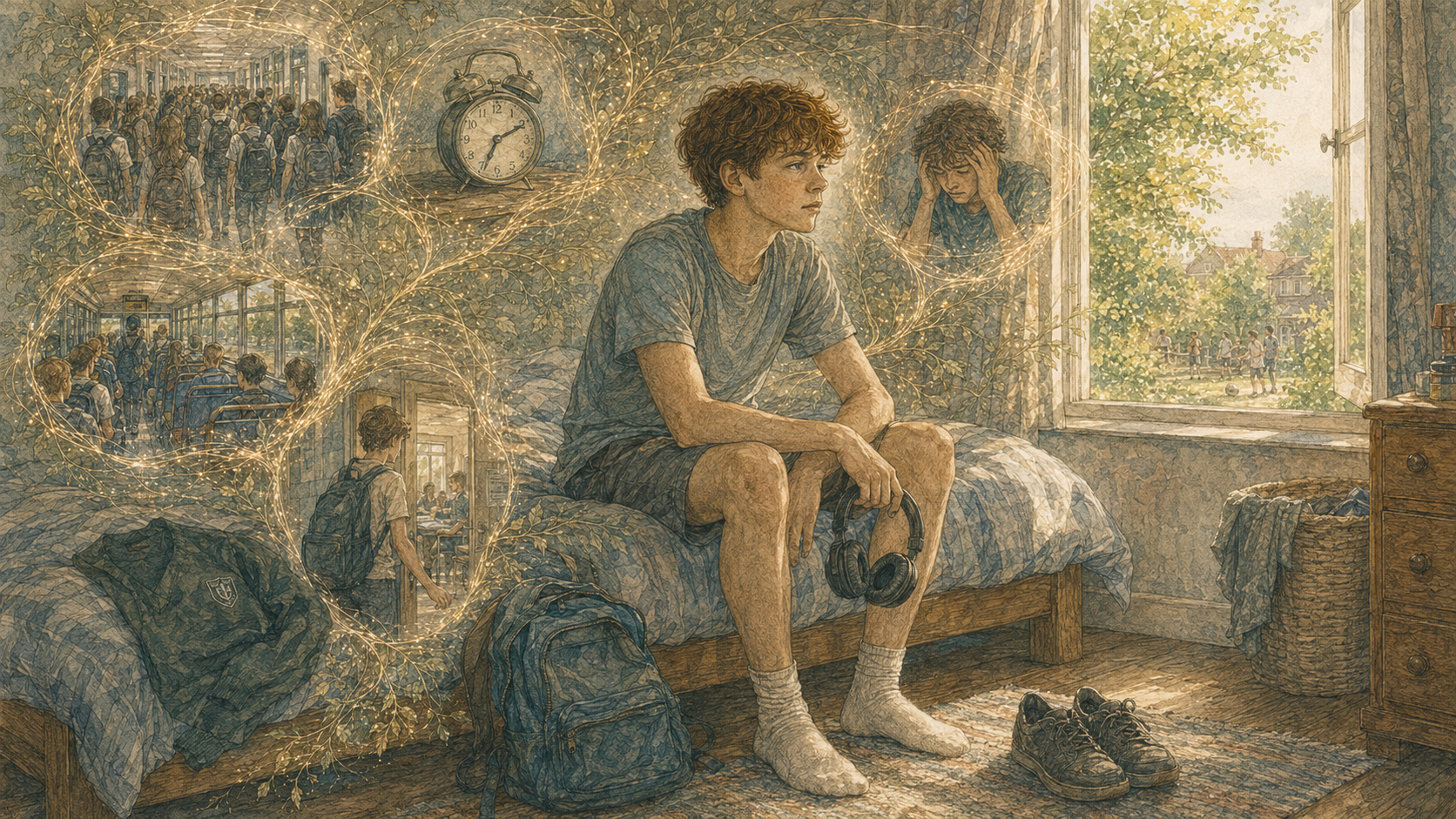
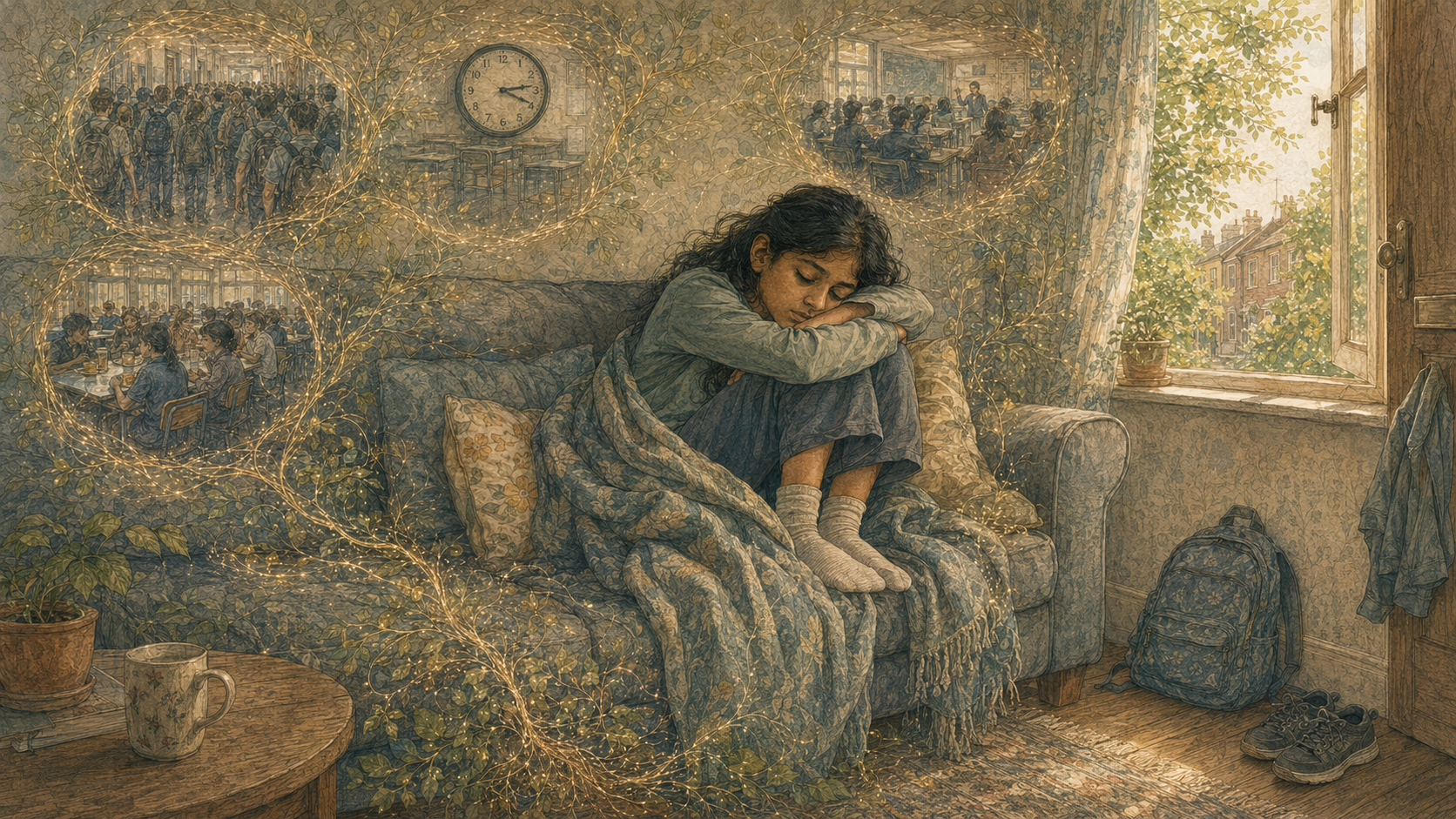
A child who has spent weeks or months managing anxiety, sensory demands, social uncertainty, masking or simply trying to get through each school day may enter the summer already exhausted. Their nervous system may need time to recognise that the immediate pressure has passed.
This can look like sleeping more, withdrawing, becoming irritable, struggling with requests or releasing emotions that were previously held together. It does not mean the child is being difficult or that the family is doing something wrong. It may be the first moment their body has felt safe enough to stop coping.

Recovery Is Not a Straight Line
A child’s capacity may change from one day—or even one hour—to the next. They might enjoy an outing, talk happily with friends or appear full of energy, then need a long period of quiet afterwards. A more settled day does not mean they were never struggling, just as a difficult day does not mean recovery has been lost.
Summer itself can introduce new demands: changes of routine, unfamiliar places, family gatherings, travel, heat, noise and unstructured time. Even enjoyable experiences can use more capacity than a child currently has available.
Rather than measuring recovery by how much a child is doing, it can help to notice how safe, connected and regulated they feel—and how much recovery time they need afterwards.
What Helps First
In the first days or weeks after term ends, a child’s nervous system may need less—not a new set of activities or expectations. Rest may look like sleeping, screen time, repetitive play, familiar foods, staying at home, time alone or seeking extra closeness.
Begin with safety and connection. Reduce unnecessary demands, keep communication simple, offer choices rather than pressure and protect time to recover. A child does not need to earn rest by appearing productive or cheerful.
You do not need to fix the whole summer. Begin by asking: What helps my child feel safest today? What can wait?
Recovery starts when their body no longer feels it must keep proving that it can cope.


Gentle Support Through the Summer
Summer support does not need to be rigid or perfectly planned. A little predictability, combined with room to change course, can help a child feel safer.
- Give simple information about what is happening and when.
- Keep one or two familiar anchors in the day, such as mealtimes or bedtime routines.
- Build quiet recovery time around outings and social plans.
- Offer genuine choices, including the option to pause or leave.
- Prepare gently for changes without discussing them repeatedly.
- Notice early signs of overload and respond before capacity is exhausted.
Some days, the most supportive plan may be to cancel the plan. Success is not measured by how much a family manages to fit into the summer, but by whether the child feels safe, understood and able to recover.
An ELM Reflection
Summer does not need to become another test that a family must pass. A quieter week, a changed plan, additional screen time or a child who needs to stay close are not signs of failure. They may be signs that a family is listening.
When we stop measuring children by how much they can manage and begin noticing what helps them feel safe, we make room for recovery. Understanding may not remove every difficult moment, but it changes the way we meet it.
Your child does not need to appear happy or settled before their needs deserve to be believed. They should not have to hide their distress to receive compassion.
Your child does not need a perfect summer. They need to know that their needs are believed, their limits are respected and they are safe to be themselves.

“Compassionate, evidence-informed, practical and likely to help families recognise emotional exhaustion before crisis.”
Tammy - Parent Reviewer